Letter From The Editor: London Film Festival 2026
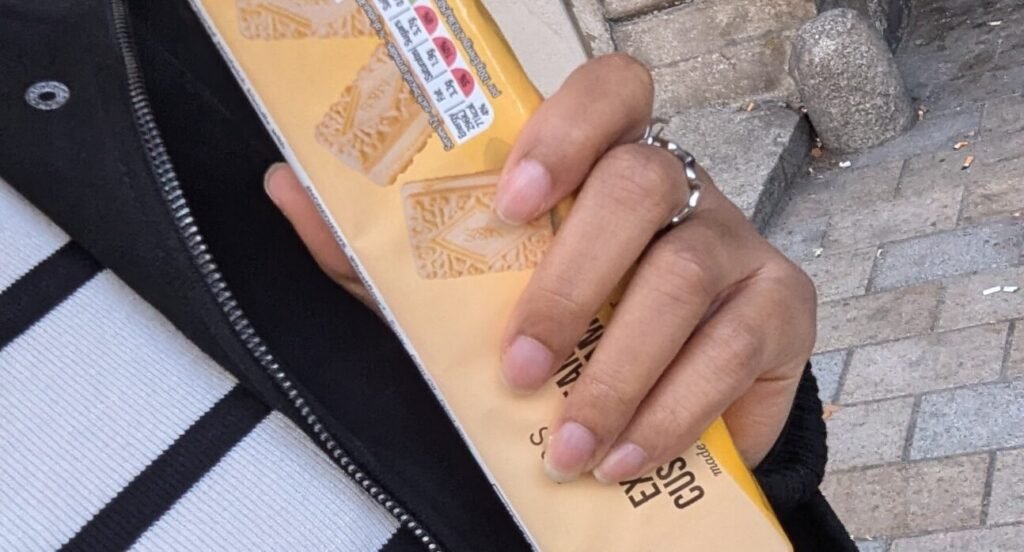
Early morning screenings filled with countless cups of tea and more packets of M&S custard cream biscuits than I care to admit. My London Film Festival was three weeks of nonstop films which left me questioning popular opinion on hyped releases, frustrated by how female-led films still centred on men, and in desperate need of lumbar support.
There is nothing like a film festival to stretch your mind, broaden your filmic horizons, discover new tastes and cosy up to something familiar. There’s the rush of excitement that comes with an eagerly anticipated film — in my case, Wildwood, Fjord and Your Mother, Your Mother, Your Mother — or the chance to join conversations with international peers who have already seen the likes of Primetime and Misty Green during earlier festival runs in their cities.
From an overly ambitious longlist of fifty films, I managed to watch just over half, balancing more popular titles, such as Artificial and Paper Tiger, with lesser-known gems. These included Carrie Coon as a cult-captured wife and mother in The Liberation, and the live-action adaptation of the popular anime movie, Look Back. Looking across this varied selection, I began to notice some striking similarities between films that, on the surface, had little in common.
The biggest was the prevalence of violence against women. Both Josephine and Prima Facie approached the subject from new angles but were equally harrowing in their depiction of a legal and justice system that has made frustratingly little progress. There was also an abundance of films adapted from plays, alongside films about plays, which quickly grouped together the sweeping queer epic La Bola Negra, the quiet and controlled Bunker, legal drama Prima Facie and Jessie Eisenberg’s second feature, The Debut, but the plays weren’t the only thing.
There was also a healthy dose of films highlighting how we are all under the thumb of multinational billionaire corporations squeezing out integrity for the bottom line through Boots Riley’s I Love Boosters and, arguably, through Luca Guadagnino’s chronologing of the rise of AI in recent history in Artificial. Then came actual history, with Danny Boyle’s Ink and Being Heumann.
Although I didn’t see much representation of films with Black leads at this year’s London Film Festival, British cinema certainly showed up and shone, offering a range of titles and tones. Admittedly I was too much of a whimp to watch Ashley Walter’s directorial debut, Animol, but from Ink, Bunker and Wicker to I See Buildings Fall Like Lightning and the Film4-backed Lady, there was plenty to demonstrate the breadth of British filmmaking.
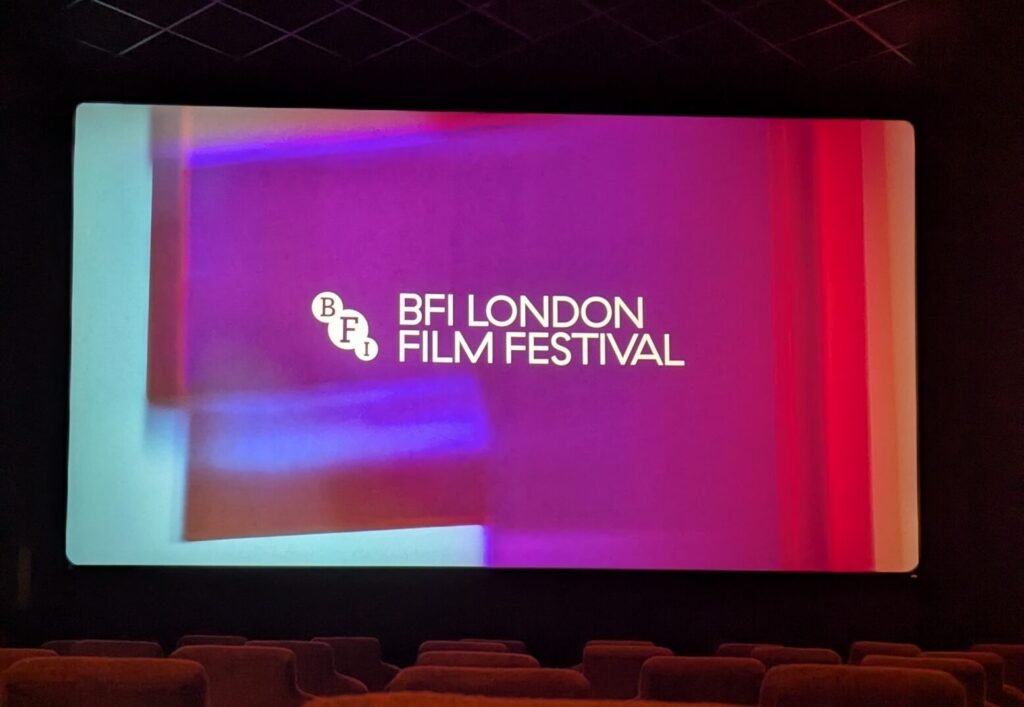
Ninety-nine per cent of my festival experience took place in the press-filled screens of Picturehouse Central and BFI Southbank. Alongside the movie-watching came some unexpected discourse.
First, and perhaps most shocking, was seeing people record the screen to capture clips for social media. It’s astounding that anyone would think something so gauche in a professional setting—not to mention illegal—was acceptable. It raises questions about whether there should be a higher barrier to entry for press and industry screenings, or whether any enthusiastic person with a microphone and an online presence should be given access, decorum be damned.
A stranger topic circulating in the UK FilmTok community was the annoyance caused by people laughing during films.
The complaints were that the laughter was too loud, came during moments the masses had decided weren’t funny, or erupted during scenes that were actually quite serious. The biggest offence was when said laughter meant those around them missed vital pieces of the film.
Listen, did I start recognising familiar chortles and titters bubbling pointedly or nervously to the surface? Yes. Were they occasionally annoying? Sure. But am I about to start policing joy? Absolutely not. Laugh on and laugh loudly; there are apparently far worse things you could be doing at the cinema during a film festival. I heard the public screenings were a circus.
One creator commented that people were buying festival tickets because they were worried about missing out on something everyone else would be talking about. Ultimately, these people often sat with their necks craned down towards their phones, texting away at full brightness, chatting with their mates as though they were at home, and apparently even taking full-on phone calls.
Three weeks of cinema, roughly twenty-eight films watched and a back that may never recover, I came away with surprising favourites: Brad Bird’s retrofuturistic, Ray Gunn, Javier Bardem led father-daughter drama, The Beloved, and the scope of male friendships in I See Building Fall Like Lightening, to name a few. I also left with plenty to think about in terms of how films call out to each other and connect and the sobering reminder that the cinema is a shared experience — even if some are determined to make it a private screening with an audience. Cinema etiquette died long ago, and we are all in Zack Snyder’s hell (the extended edition), but at least I have custard creams.
Make sure to subscribe to be notified when a new review from this year’s London Film Festival is released, and let me know what you’re most looking forward to seeing in cinema.