Hope (2026): A Monster Movie That Refuses To Play By The Rules
Hope is set in the slow and sedentary village of Hope Harbour, which is unexplainably invaded by monsters. The police and the locals band together to fight off the creatures of the unknown in this unexpected comedy-thriller.
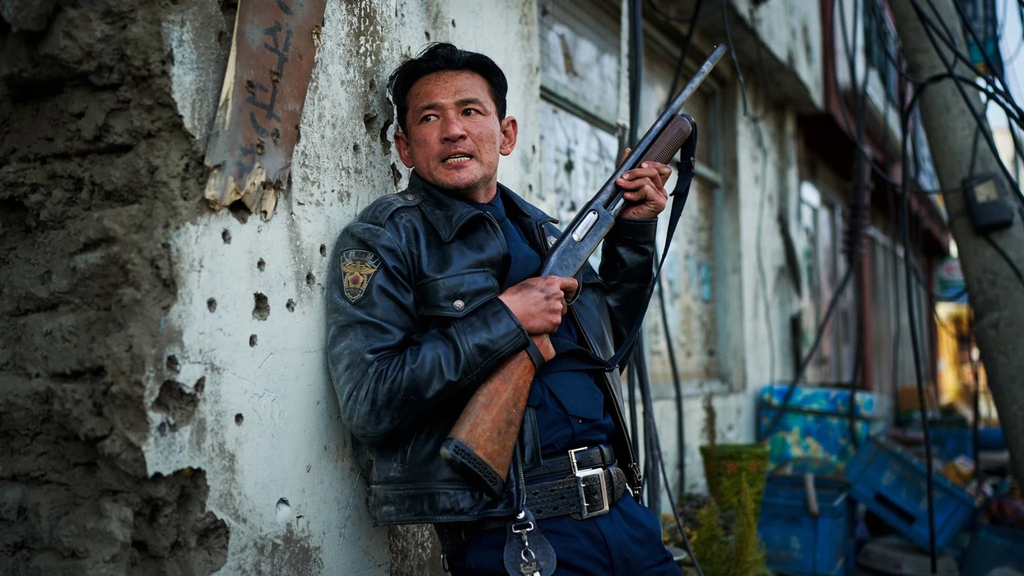
There is a lot to commend Hope, which sets a strange but fascinating bar for itself. The movie refuses to beg for a seat at the table of any particular genre, but instead creates its own comedy, horror, sci-fi, mystery-box, thriller oak-wood dining set, where it is free to play by its own rules and confound audiences accordingly. From director Na Hong-jin (The Wailing (2016), The Yellow Sea (2010)), Hope seems determined to keep us guessing about exactly what kind of film we’re watching, and it’s a frustratingly addictive game. The entire film takes place during the day, and it’s relatively easy to dial what is, on paper, a horror film towards comedy under pale blue skies, but it’s much harder to create jumpscares in broad daylight. Hope manages to do both.
What does create a clever juxtaposition are the two settings within the film: the town and the woods. The town is bright, airy and coastal, whereas there is an omnipresence in the woods that tugs at shadows and gives the film a different texture of lighting without having to worry about the specifics of time. That being said, there is a subliminal ticking clock as we pray that they catch all the scary monsters before the sun sets.
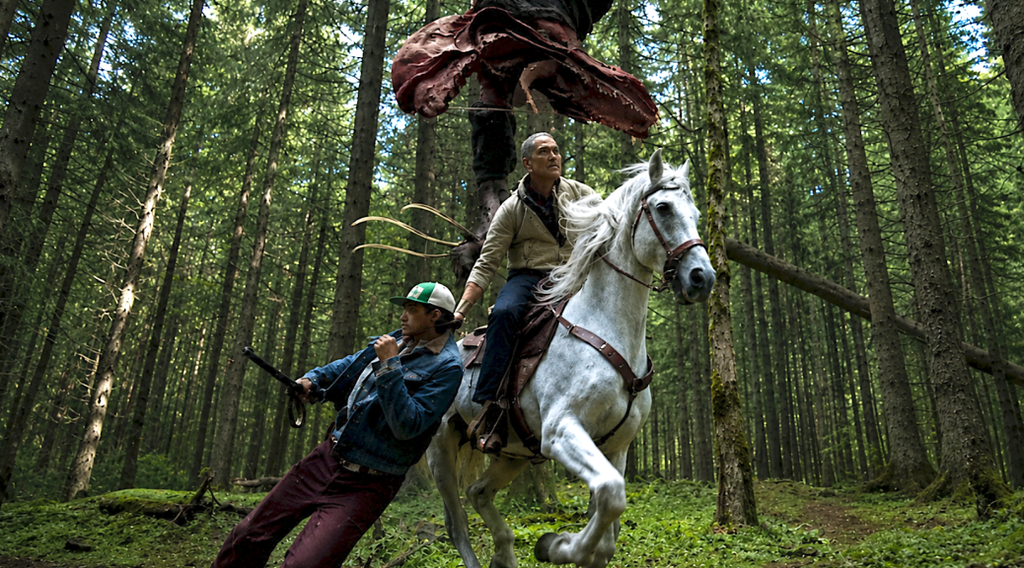
There is a lot going on in Hope, but the throughline which keeps the engines driving is the humour. There are a number of laugh-out-loud moments, most elicited from the main character, police chief, Ko Bum-seok (Hwang Jung-min), a hapless bordering on cowardly man that we watch evolve into a certified monster hunger. His deputy, Im Sung-ae (Jung Ho-yeon), has one of the coolest introductions, and their partnership, filled with a lot of bad language and little patience, works. While this duo handle the monster tearing through the town, the roguish hunter Ko Sung-ki (Zo In-sung) and his band of merry men track a monster leisurely through the woods, creating a nice contrast in pacing as we bounce between locations.
At 156 minutes, Hope is a long film, which again shows that it marches to the beat of its own drum. Does the movie deserve that runtime? For the most part, no. Scenes are often stretched beyond their necessary limits, and we are only mildly distracted from this by moments of humour and new characters that come, go and are instantly forgotten.
The anticipation before the monster is finally revealed, the journey of the hunting party in the woods towards their destination, and the third-act car chase scene—these moments and more stick with us not because the cinematography, score or visual effects were particularly engaging, but because it felt like they would never end. It’s in these bloated moments that you feel every second of that runtime.
There are some solid tracking shots, Im Sung-ae does some amazing U-turns, and when we follow the five hunters tracking a monster through the woods, the choreography of their movements is particularly beautiful to watch. However, for the most part, Hope consists of a visually neutral filmmaking style, and as such, the film relies heavily on the acting and the large question mark over events to do the heavy lifting.
We can all collectively agree that the CGI ranges from bad to unforgetably awful, but, where the movie will really divide opinions is in its ending, where Hope reminds us that it has chosen to create not only its own subgenre but also its own narrative structure by introducing a new storyline in the closing minutes of the movie. Why? Well, Hope asks us, why not?
Hope is a movie best gone into blind; just know that you’re in for a questionable ride. Hopefully you won’t be too frustrated when you get off.
Rating: 3.5/5