
Kristen Stewart’s directorial debut drowns in symbolism but swims with emotion.
Check your trigger warnings before you embark on the choppy waters of Lidia Yuknavitch’s adapted memoir. The Chronology of Water is a bold and defining swing from actress Imogen Poots and actress turned writer-director Kristen Stewart.

With themes of sexual abuse and addiction at the heart of this movie, even with the faded silver line of redemption and freedom it’s never an easy watch. Yet, the audience remains both invested and engaged, thanks largely to Poots who commands the lead as Lidia Yuknavitch. Charting almost forty years of her life, we experience a silenced, fear stricken teen, grow into a conflicted woman ready to confront her past and reclaim her future. In each decade of Lidia’s life, Poots was fearless — and more importantly, believable.
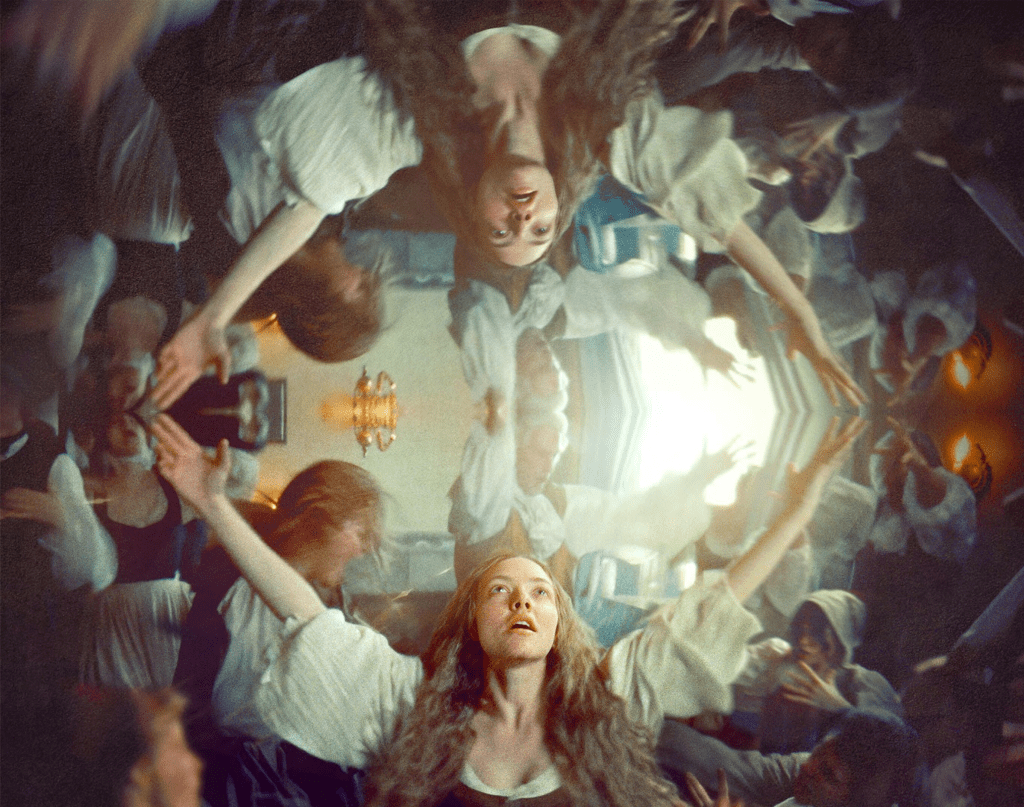
Stewart serves as yang to Poots’ yin, keeping the story visually engaging, sometimes bordering on experimental. Though these abstract moments added points to breathe amidst the heaviness, some choices felt like art for art’s sake, rather than working to deepen the tone or story.
Water, unsurprisingly, plays a central role in Lidia’s life and is allegorically stitched into most scenes. No, not stitched, hammered. It’s symbolic, it’s literal, it’s medicinal, it’s biblical. A lighter touch could have made the metaphor have a heavier impact, instead we were often drowned in meaning.
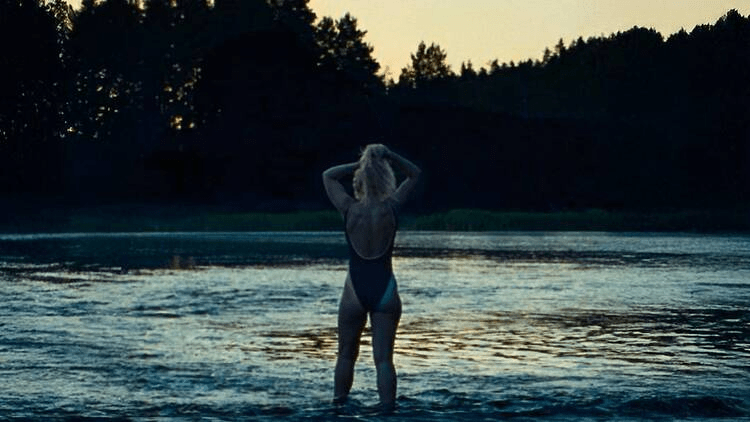
The continued use of voiceover was a bonus. It’s a personal pet peeve when movies introduce it as a device at the start, only to abandon it halfway so shout out to the consistency. In the same vein, although the ethereal shots, non-linear storytelling and poetic narration tread a fine line between creative licence and creative indulgence — it’s also consistent which meant the audience had a clear anchor as the story took various twist and turns.
The final act, however, felt rushed. Memoirs are tricky to adapt so in an attempt to tie up the life of someone who is… well, still alive, the bow was disappointingly left limp. There were moments prior to where the movie chose to drift towards its ending that would have served as a better, more definite close to the life we chart throughout the film.
Whether you connect deeply with The Chronology of Water or simply appreciate it as two hours of audacious, intimate cinema, it’s undeniably a film that brings something to the surface.
Check out what else I watched during BFI London Film Festival 2025



 Film Reviews & Movie Analysis
Leave a comment