
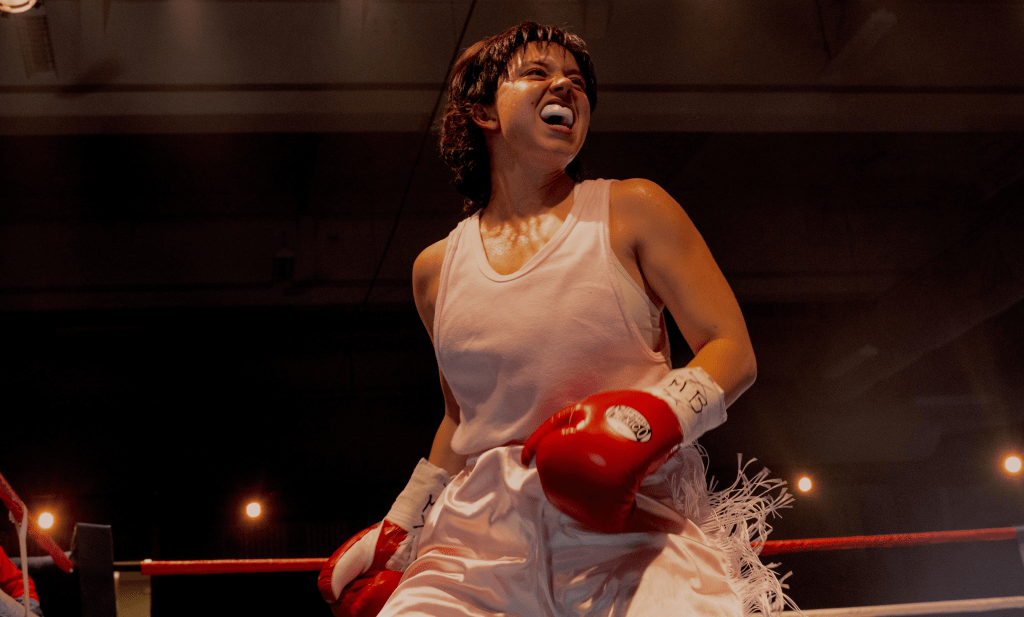
A structurally muddled biopic that manages an emotional punch thanks to its knockout supporting performances.
If you’re looking for a movie about a pioneering female athlete overcoming adversity in the testosterone fuelled ring of professional boxing Christy isn’t the movie you’re looking for. The movie floats like a butterfly over the semi sold sports drama, but stings like a bee in the private battles Christy Martin fought outside the ring.
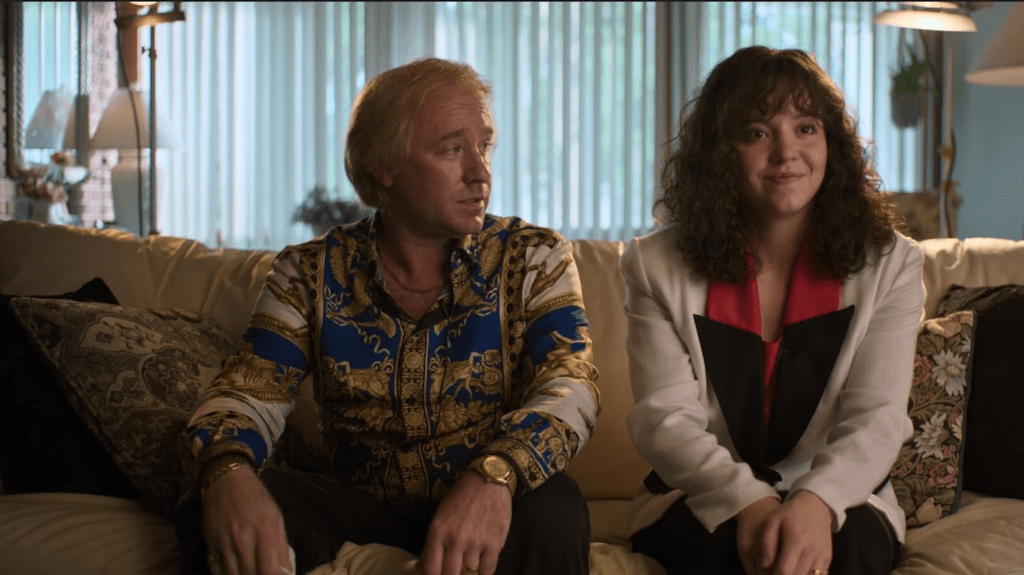
Sydney Sweeney steps into the shoes of Christy Martin, but they’re half a size too big. Points for effort: she captures Christy’s youthful naivety and overconfident swagger, parading her championship belts in front of her opponents with a gauche unchecked pride we can’t look away from. In those exuberant scenes Sweeney lands – it’s the quieter moments where she loses her footing. Her skittishness around husband and trainer James (Ben Foster) looks authentic – she flinches, apologises and diminishes herself for him – but the more emotionally complex scenes of longing, identity and desire alongside co-stars Katy O’Brian and Jess Gabor never connect.
Boxing may be a solo sport but thankfully acting is not. Christy is buoyed (read: rescued) by its supporting cast. Foster is transformed, delivering a chilling portrayal of a man weaponising mentorship and love for personal gain. Chad L. Coleman brings a brief but infectiously joyous energy as legendary boxing promoter Don King. And then there is Merritt Wever who quietly steals the show as the parentally flawed Joyce Salters.
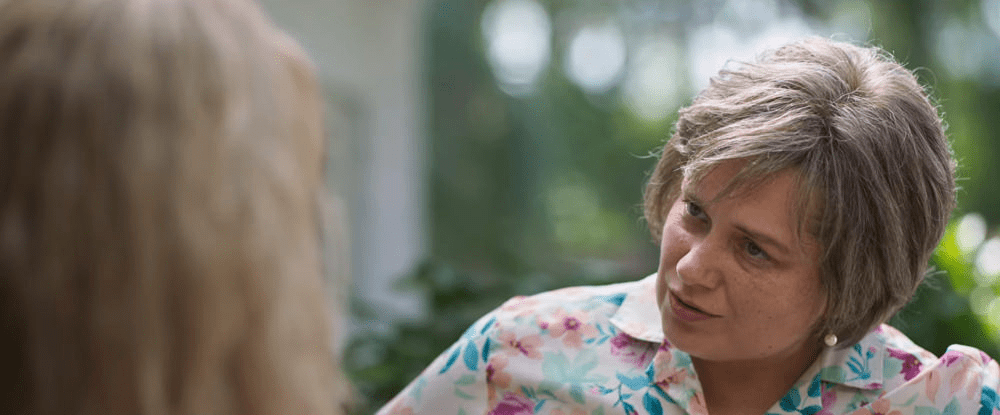
Since Isabella Rossellini’s recent Oscar nomination for Conclave (2024), there is mercifully room for recognizing that small-but-mighty-female-supporting-role – and Wever deserves to join that list. She wears Joyce with a blend of Southern hospitality and a barely concealed stench of disappointment, her nose permanently angled just a fraction too high, hands primly folded in her lap. It’s controlled, composed, and crucial to the film’s emotional core. When she delivers the line ‘Christy, you sound crazy’ with saccharine disappointment, you’ll catch yourself caught between outrage (at Joyce) and awe (at Wever).
Stephen Chbosky wrote that we accept the love we think we deserve; Christy shows us that sometimes we accept the love others think we need.
Despite its structural messiness – a saggy origin story, mid-career montage, and an abrupt tonal shift when Christy’s home life erupts – the film lands enough of its thematic blows. Identity, acceptance, and the corrosive pursuit of approval from those meant to protect us: these threads hit harder than any right hook in the ring.
Check out what else I watched during BFI London Film Festival 2025



 Film Reviews & Movie Analysis
Leave a comment