
At its heart, I’m Still Here is a story about waiting. Set in Rio during the 1970s, the film follows the Paiva family as they navigate the sudden and unexplained disappearance of their patriarch. Through a restrained but emotional lens, the film explores how absence can weigh just as heavily as presence, and how a family—particularly a mother—is left to pick up the pieces.
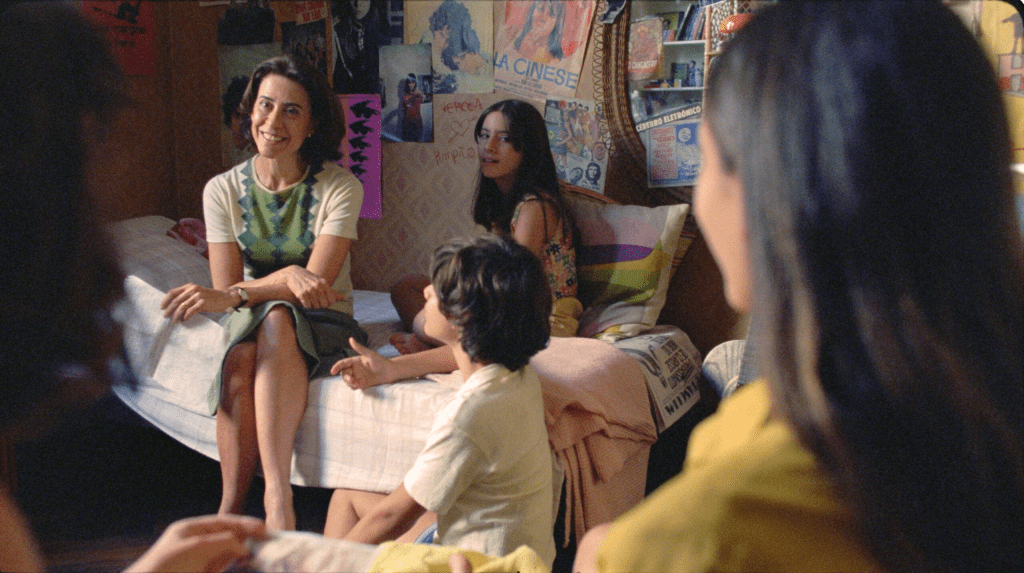
One of the film’s greatest strengths is its narrative focus. Rather than attempting to tell a sweeping, overtly political story about Brazil’s military rule, it keeps its scope intimate, centering on one family’s experience. By experiencing events through the eyes of Eunice (Fernanda Torres) and her children – who at varying ages are at different levels of understanding – the film delivers a layered and affecting portrayal of grief, resilience, and forced optimism. The decision to filter the events through the family’s perspective builds a strong emotional connection, grounding the political turmoil in personal stakes.
Films like I’m Still Here serve an important purpose. Before watching, I wasn’t familiar with Eunice Paiva’s story, and it’s crucial that history—especially history like this—is remembered. The film treats its subject matter with immense respect, but perhaps too much. In striving for authenticity and sensitivity, it occasionally pulls its punches. There are moments where the weight of dictatorship and political oppression could have been felt more viscerally, but instead, the film leans into subtlety. The result is a film that is moving but not as hard-hitting as it could have been.
That said, it’s hard to fault the film’s craftsmanship. The cinematography is particularly effective when it shifts into the aesthetic of a 1970s film camera, adding a sense of distance and nostalgia. This choice is beautifully mirrored in the film’s closing scenes when we jump forward in time, seeing the long-term impact of Rubens Pavia’s (Selton Mello) disappearance. It’s a creative and understated way of linking past and present, reinforcing the film’s theme of time moving forward even when answers remain elusive.
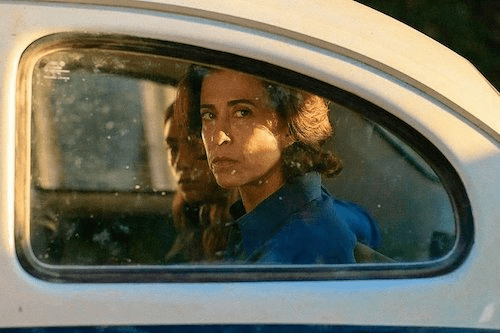
If I’m Still Here belongs to anyone, it’s Fernanda Torres. Her portrayal of Eunice is subtle, yet deeply affecting. Eunice is a woman who doesn’t get the luxury of falling apart—she must stay strong for her children, despite her own uncertainties and the immense grief she carries. The scene of her scrubbing herself raw in the shower is one of the film’s most powerful moments because it’s the only time she allows herself to feel the weight of her it all. The wave of unimaginable change in her country her own imprisonment and the ripple effect this will have on the future of her and her children without their husband and father.
Rubens’ absence is just as powerfully felt as his presence. The film’s opening does an exceptional job of making us like him—he’s warm, present, and deeply devoted to his family. When he is taken, it’s done with such order and quiet efficiency that it doesn’t feel final. The audience, like the Paiva’s, holds onto hope that he will return, long after the logical part of our brains tells us otherwise.

I’m Still Here is a delicately crafted film, one that prioritizes emotional truth over heavy-handed dramatics. While it could have leaned further into the harsh realities of Brazil’s dictatorship, its quiet power lies in its portrayal of a mother’s resilience and the painful limbo of waiting. With a standout performance from Fernanda Torres and a subtle but effective use of visual storytelling, it’s a film that lingers—just perhaps not as forcefully as it could have.




 Film Reviews & Movie Analysis
Leave a comment