
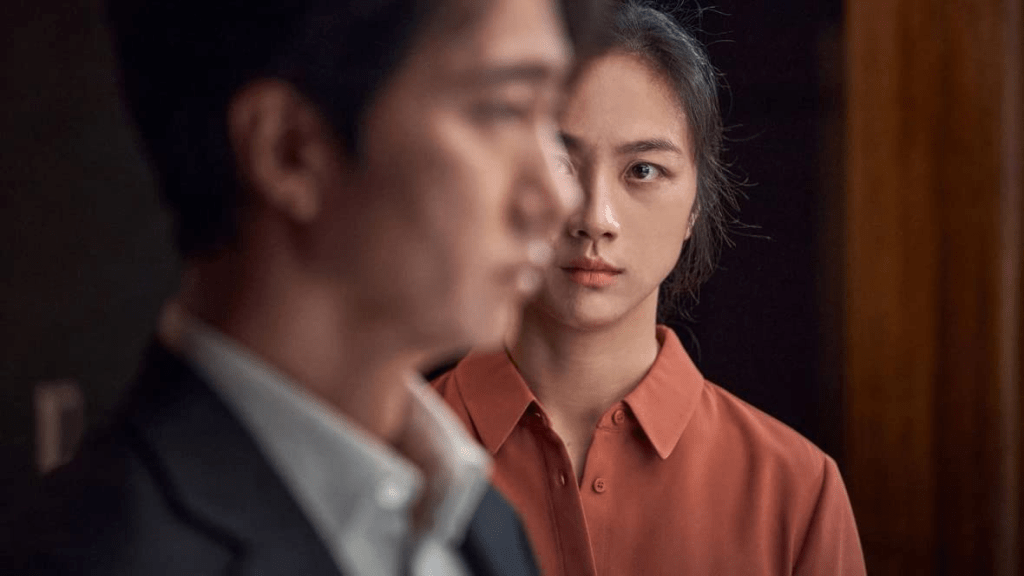
Park Chan-wook’s Decision to Leave is a film that lingers. From the storytelling with its quiet intensity to the lead characters whose smooth back and forth quickly trap you in their rhythm. It’s one of my favourite recent watches, a slow-burn detective story that gradually transforms into something far more delicate and devastating.
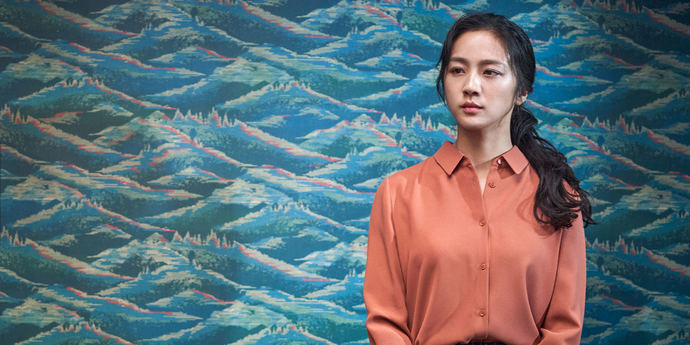
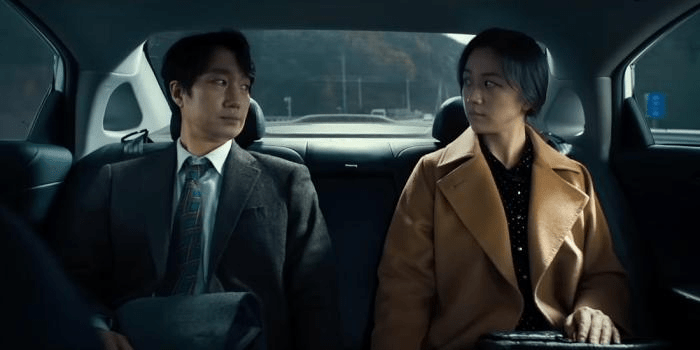
The film follows Hae-jun (Hae il Park), a detective investigating the suspicious death of a man who fell from a mountain. The man’s widow, Seo-rae (Tang Wei), is cool, calm, and perhaps too collected for someone who just found out about their husband’s gruesome death. As the case unfolds, Hae-jun finds himself increasingly drawn to the enigmatic Seo-rae and his professional detachment dissolves into infatuation.
There’s a subtle, intoxicating rhythm to Decision to Leave. It never rushes; instead, it pulls you in through quiet conversations, stolen glances, and an unspoken yearning between its leads. The movie is laced with constraint, even in moments of contrast, so much so that you don’t always notice the foreshadowing storylines or set design that reinforce this tale.
It’s all about what words and emotions are simmering just beneath the surface, and we wait with bated breath for the inevitably boiling over.
The film has so many layers woven throughout. It constantly plays with the conventions of film noir, romance, and psychological thriller, leaving you unsure whether you’re watching a love story, a tragedy, or something in between.
Decision to Leave isn’t just about the mystery—it’s about the slow build of obsession. By the time the credits roll, you realize it’s an obsession you can relate with, as this movie remains with you long after it fades to black.
Now, if you’ll excuse me, I need to add more Park Chan-wook to my watchlist.
Click here to sign up for Mubi, using my referral link and get 30 days free.



 Film Reviews & Movie Analysis
Leave a comment