
*A somewhat spoiler ridden review*
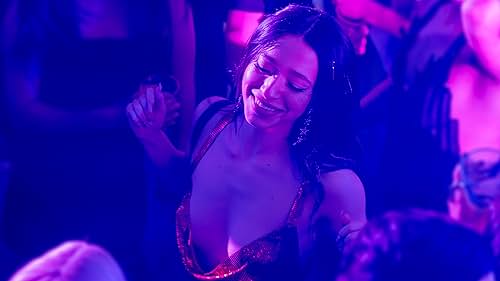
Sean Baker’s new film, Anora stars a transcendent Micky Madison in the titular role of a young stripper swept up in the haze of a happily ever after fairytale with Vanya (Mark Eydelshteyn), a wealthy, free-spirited son of a Russian Oligarch. While their romance at first plays like a modern fairytale, reality eventually rears its ugly head, dragging Anora (Ani), down to earth kicking and screaming.

For better or worse, women were raised on Disney fairytales; Snow White, Cinderella, The Little Mermaid etc. and the idea that a man will come and rescue them from their small lives, take care of them and love them. As adults, we know better, yet deep down, these childhood fantasies linger, ready to bloom.
Opportunity sprouts for Ani when high roller, man-child Vanya comes to the strip club. Soon, their business relationship moves from the club to Vanya’s mansion and, like Cinderella entering her prince’s castle – or Elizabeth Bennet’s seeing Pemberley for the first time – Ani is struck by how the other half lives, and wants a piece for herself. Accepting to be Vanya’s girlfriend for a week (for a hefty price), Ani enjoys the luxuries and whims of the super rich; endless parties, frolicking on the beach and a spontaneous trip to Vegas where her prince is welcomed like a king.
It is here in this technicoloured wonderland that the chaotic fever dream reaches its peak and completely detaches Ani from reality. When Vanya, who doesn’t want to return to Russia to accept the silver spoon that awaits him, proposes to a smitten Ani, she says yes.
And Ani and Vanya, live happily ever after…
Right?
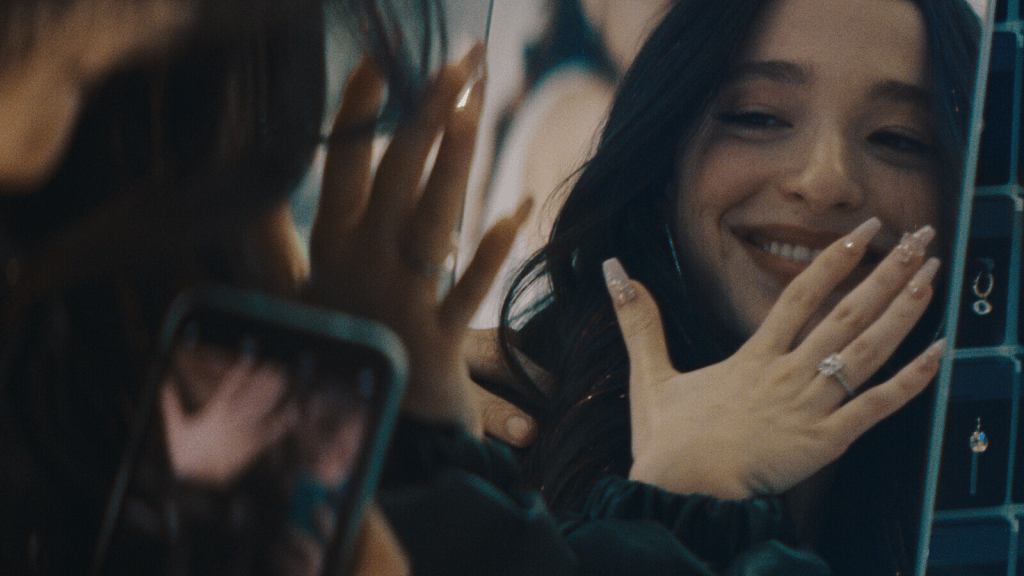
Frozen’s Elsa, said it best when she looked pityingly at her starry eyed sister Ana and said; You can’t marry someone you just met.
Those fairytale classics fade out after I do, or a chaste kiss filled with promise. What we don’t see is the subsequent ‘fade in’ on the reality of life with a good-looking stranger. Anora takes us on that journey as technicolour fades to grey and the bleak realities of marrying into wealth. Everything Ani thinks Vanya owns, from the house to her wedding ring and fur coat, belongs to his parents.
The story shifts in tone as Vanya’s Russian parents, learning of their son’s Vegas wedding, fuel up the private plane and head to America. His parent’s imminent arrival signals the end of Vanya’s dreams of parental freedom, and so he panics and bolts, abandoning Ani, who chooses to maintain the illusion that love will conquer all despite her house of cards starting to fall.
Baker’s seamless shift from dreamy rom-com (think Euphoria meets Pretty Woman) to gritty reality comedy-drama is one of Anora’s strongest points, as it pulls viewers out of the fairytale along with Ani who must now locate her missing prince.
It’s both sad and admirable watching Ani desperately clutching to her happy ending; convinced that Vanya, will reappear to fix everything while she tracks him down alongside his guardians; apoplectic Toros, whiny Garnick, and the stoic and apologetic Igor.
The mismatched quartet fight, squabble, bargain and share a depressing diner meal as we watch the fight and the fantasy slowly seep out of Ani.

Anora does touch on the theme of class, which ultimately dispels Ani’s fairytale illusions. When Ani finally meets Vanya’s mother, Galina, who drips wealth, privilege and scorn, Ani is confronted with her own naivety. Galina looks so far down her nose at Ani you can almost hear the echoed words of Lady Catherine De Burgh; Are the shades of Pemberley to be thus polluted?
Ani’s hopes, and those of the audience who were enmeshed in her story are shattered, and we wonder if Ani truly expected Galina to rejoice at the inferiority of her birth.
Baker’s nuanced take on class disparity and self-worth is a crucial element of this film, making Ani’s journey both empowering and heartbreaking.
Anora was a rollercoaster ride of romance and reality, however this wouldn’t have been possible without Mickey Madison commanding the role of Anora even in contemplative and calculating silence. The second half of the movie was chocked full of new characters with bold, humorous and often dominating personalities, and yet Madison managed to hold our attention as the defiant Ani in every scene.
While the second half occasionally lags and the story beats become repetitive, it’s a natural and forgivable consequence of a film with an editor who is also the director who is also the writer.
Anora is incomparable to anything I’ve watched. It was a fresh and riotous blend of chaos and humour, held together by the outstanding Mickey Madison. Beneath the surface Baker’s narrative challenges the disparity of social classes and the everlasting hope of a happily ever after. It also entwines the control and illusion of power and the fear of finding out you might have none at all.
Have you seen Anora?



 Film Reviews & Movie Analysis
Leave a comment