
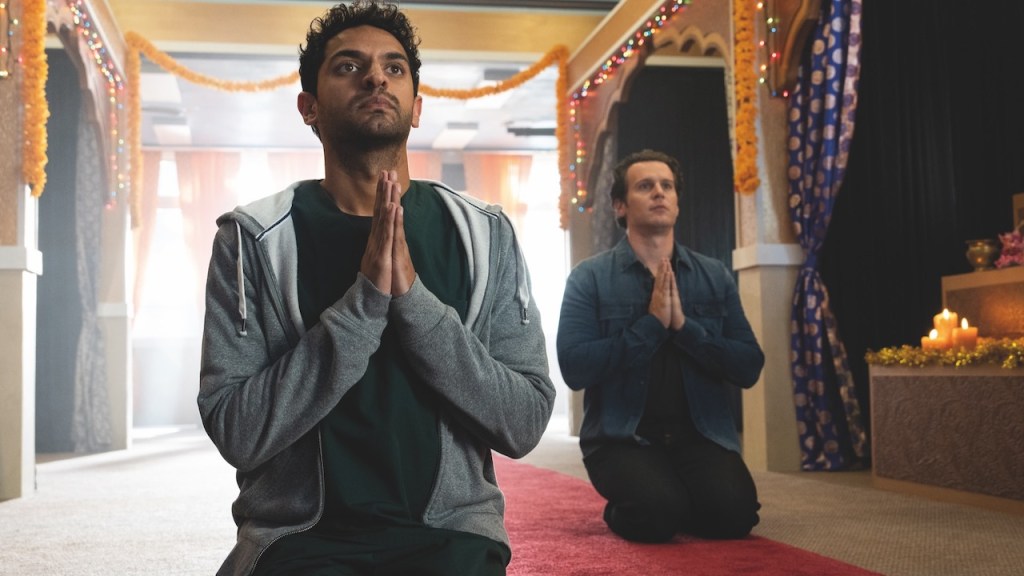
Hands down, ticking the boxes of ‘romantic’ and ‘comedy,’ Roshan Sethi’s film goes one step further in exploring the difficulties Naveen faces when the time comes to introduce his white fiancé, Jay, to his open-minded but culturally rooted family.
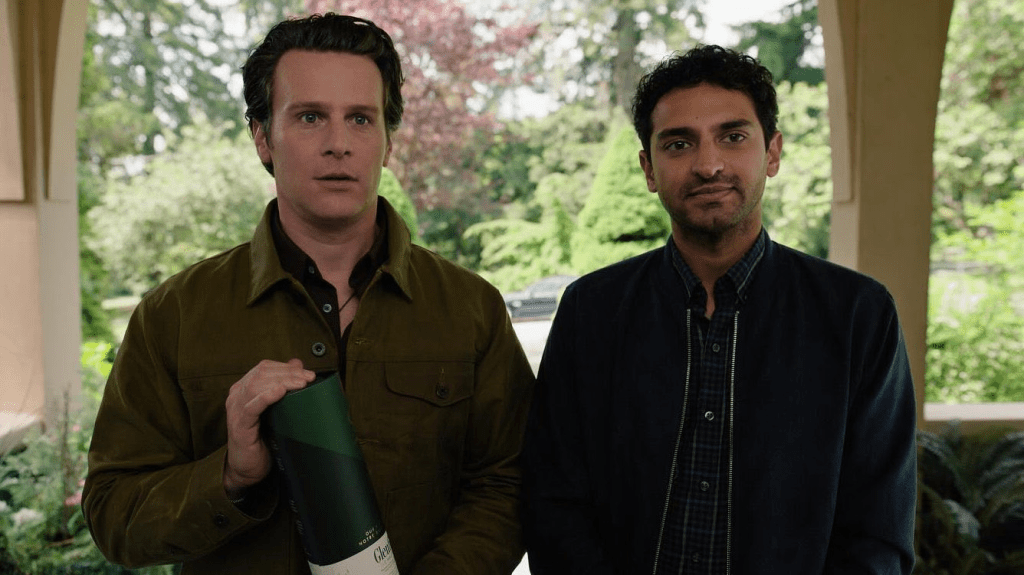
There are certain tropes that carve an outline for a romance story. Karan Soni’s awkward, wallflower Naveen falling in love with Jonathan Groff’s self-assured Jay is an opposites-attract pairing, which is tried and usually true. Unfortunately, this time around, the formulaic character types feel tired and trite. The problem stems from the self-sabotaging Naveen, who couldn’t quite work up the courage to be with Jay openly.
When the couple, hand in hand, runs into Naveen’s brother-in-law, the transparently self-conscious Naveen pulls away from a disappointed Jay. After months of dating and going as far as getting engaged, Naveen still can’t muster up the courage to confirm their engagement to his family or have any backbone when it comes to his relationship. It’s difficult to watch the overcooked plot point of Naveen’s internalized fear of parental rejection dry out the humorous and often sweet film.
Thankfully, A Nice Indian Boy went beyond surface-level romanticism to give the audience a fresh perspective of love through Naveen’s parents, Megha and Archit Gavaskar (Zarna Garg and Harish Patel). On first introduction, they are your typical ethnic/regency-era parents. Megha’s clueless comedy and overly supportive LGBTQ+ parenting, is a warm match to Archit’s quietness. He is often face down at the dinner table, adding incoherent and indifferent grumbles to his wife’s unending meddling, making the pair feel right out of an Austen novel.
They met on their wedding day decades earlier, and their children, Naveen and his wholly unlikeable older sister Arundhati (Sunita Mani), are quick to cast their parents as the villains in their stories, as they believe them to have never been in love.
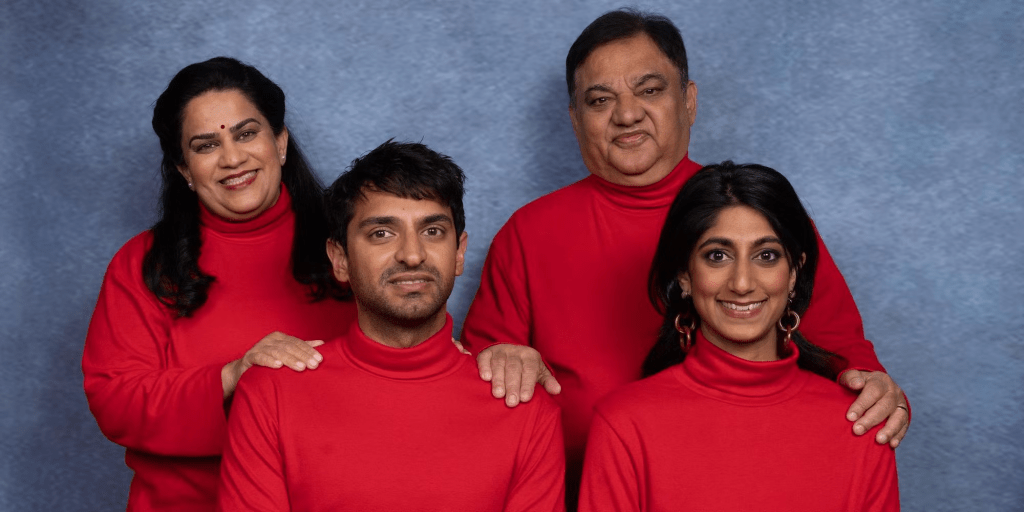
In an unexpected trajectory for the film, Naveen and Jay take a back seat as Megha and Archit are given space to show us who they are outside their children’s narrow-minded assumptions. The movie explores what love looks like for them, an older Indian generation; its companionable silence, its constant presence, and the break away from traditionally assigned gender responsibilities. The words “I love you” will never be uttered, and the commercial gestures of flowers and chocolates will be absent, but that doesn’t make what they have any less real. A quiet but tender moment in which Archit tells Megha, “You know me,” beautifully encapsulates their bond.
The dynamic of the Gavaskar family, who speak but say nothing to each other, is achingly familiar for an ethnic household, where achievements can outweigh emotions. However, each character finds a way to break away from cultural limitations. Naveen, because of Jay, unlocks a side of himself that has the ability to be bold and make the grand gestures his father would never make. Arundhati, who has been told time and time again by her mother to “settle” when it came to her own arranged marriage, shrugs off the burden as the oldest sibling, born to please their parents over herself.
Despite the slightly jarring use of scene cards to divide the film into five parts, A Nice Indian Boy is more than a standard romantic comedy. It’s a film about family, about acceptance, about personal growth, and the bridging of generational divides. It examines the internal and external struggles of balancing tradition and individuality, and learning what holds us back from truly connecting with others. In the end, it’s about letting go of those restraints, setting ourselves free, and understanding that love, in its many forms, exists in the everyday moments that often go unnoticed.





 Film Reviews & Movie Analysis
Leave a comment